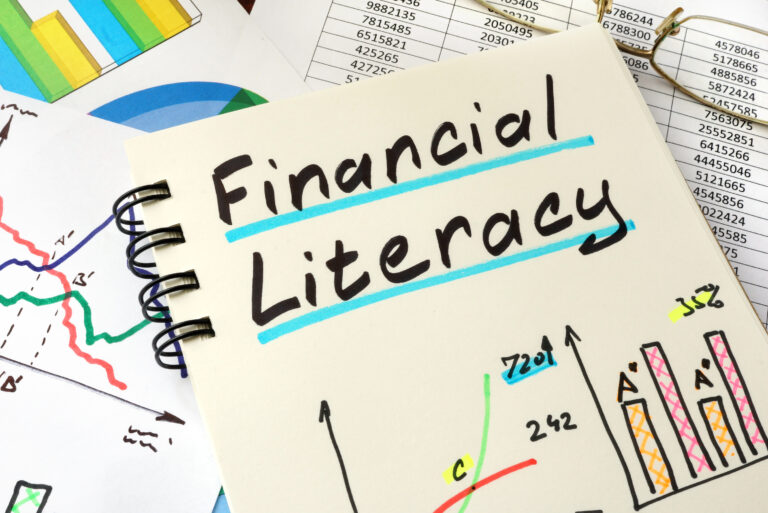
If you feel like an incomplete understanding of basic personal finance concepts cost you last year, you’re not alone. Thankfully, financial literacy isn’t rocket science. You can overcome whatever knowledge gaps you face today and cease leaving money on the table. Start here.
You searched for
Safe Banks
12 articles
When you’re living paycheck to paycheck, starting an emergency fund can be tough. But for most people, creating a $1,000 initial emergency fund is an achievable goal. With a little effort, you can even create one in a month or less. And there are many strategies you can use to make it happen.
One common investing myth is that you need a lot of money to get started. This is sometimes true, and a range of options become available once you have a $1,000 minimum to begin investing. Learn the best ways to invest $1,000 with these realistic ideas for fruitful investing and building wealth.
Do you have a lot of stuff you just don’t need? Fortunately, you can donate it to charity for a tax deduction. But don’t just drop stuff off at a drop box. Several best practices ensure the donation process goes as smoothly and the charity can make the most of your donation.
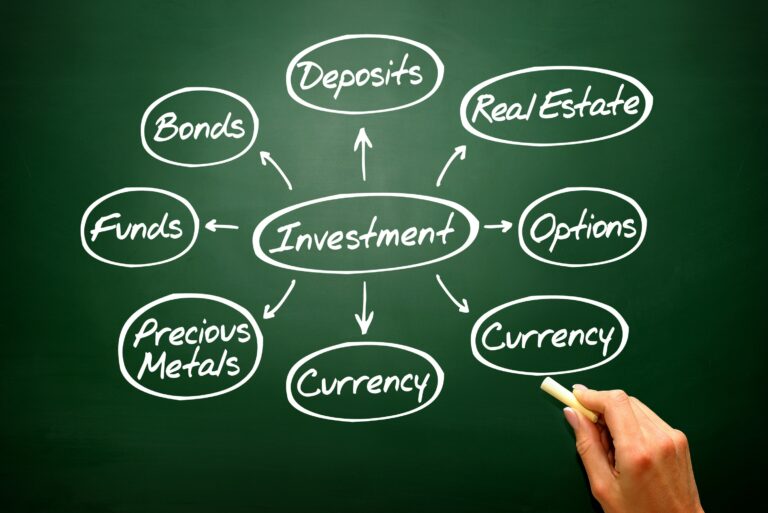
There’s more to investing than just stocks and bonds. In fact, there are many investing vehicles, including some you might not have heard of. Just what are investment vehicles, and what are the most common types? Read on for more about the investment vehicles you’re likely to encounter.
Peer-to-peer (P2P) lending has become a hot topic in the personal finance community, offering borrowers a way to access loans from peer lenders rather than traditional banks. Learn about peer-to-peer lending, how to qualify for a P2P loan, and the pros and cons of borrowing through a P2P platform.
Both Ally and Simple are fine financial solutions that appeal to broad audiences. They have some of the best free checking accounts on the market. But there’s enough daylight between them to warrant a detailed head-to-head comparison. Only you can decide which is the better choice for your financial needs.
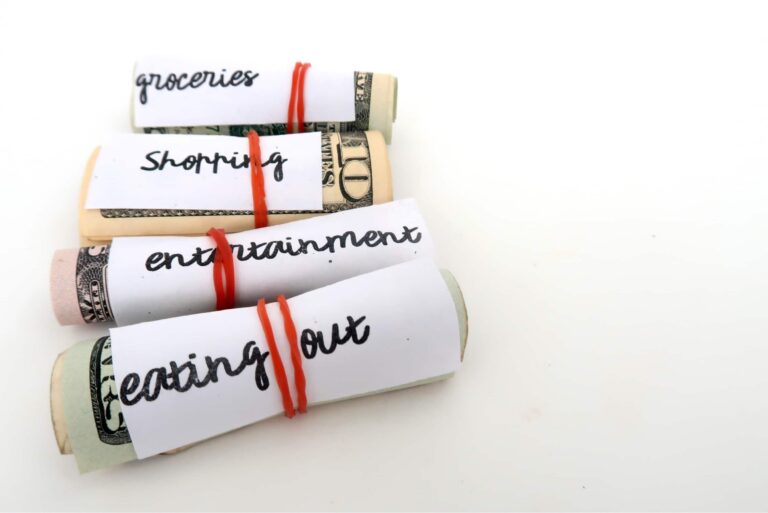
Not everyone follows a strict budget, but you need some kind of system to make sure you have enough money each month to cover your major personal and household expenses. Here are the most common budget categories — and how to bridge the gap between your current spending and your ideal target budget.
Bad credit doesn’t mean you can’t own a home. But the worse your credit, the harder it is to qualify for an affordable loan. And just because you can buy a home even with poor credit doesn’t mean you should. Read on to learn what to consider when buying a home with less-than-perfect credit.
More than a quarter of U.S. households are either unbanked or underbanked. What are your best options if you’re not sure where to begin or if you’re denied for a bank account? Read on to learn about several account options and some alternatives to having an account at a traditional bank.
Historically low interest rates have made borrowing money for home mortgages cheap. But buying a home in cash to avoid debt remains appealing to many. For those who have the cash on hand to buy a home outright, the question remains: Is it a good idea? Read on to learn the pros and cons.
Few things make it easier to let go of possessions than knowing they’re going to a worthy cause. But to maximize the good your stuff can do, you have to know the best places to donate different types of merchandise. These charities have different niches, but they all allow you to help those in need.