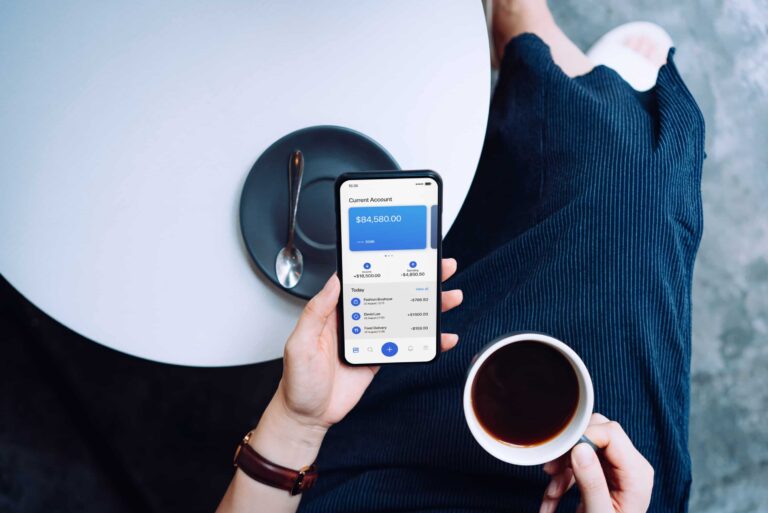
The world is filled with places to put your money. Most of us, however, need to start with just two basic types of bank accounts to keep our money in order: checking and savings. Learn the difference between checking and savings accounts, the key features of each, and which is the best fit for you.
You searched for
Safe Banks
12 articles
Bored with your traditional savings account? Two other options could be a better fit. Learn the difference between money market accounts and certificates of deposit (CDs) and when each one makes sense for your savings goals.
When the economy is in crisis and the central bank has exhausted its normal playbook, it can enact a quantitative easing (QE) program to inject money into the economy. But what does that mean exactly and what are the effects? Learn about quantitative easing and what it means for you.
Apples and oranges are both fruits, but that doesn’t make them identical. Ditto for saving and investing. Saving is more about principal protection, with returns as icing on the cake. Investing does come with the expectation of an inflation-beating return.
Sinking funds help you save for future expenses, both planned and unplanned. Used properly, they can help you live within your means and avoid unnecessary debt. Learn how to set up your first sinking fund and make the most of it.
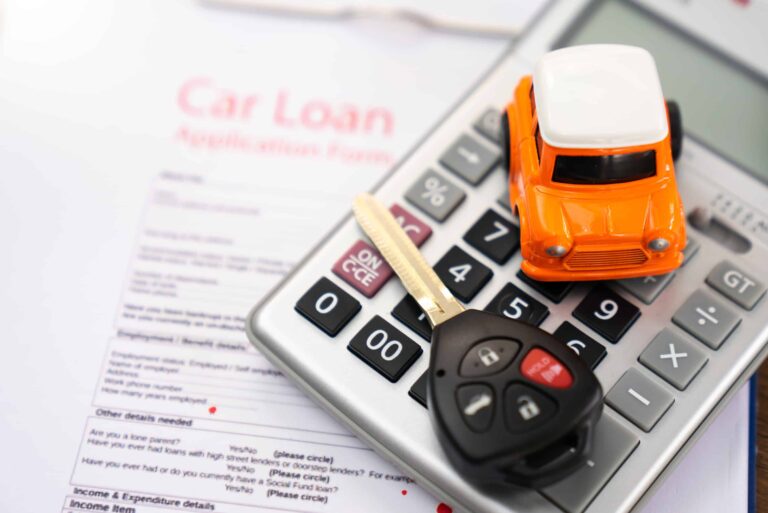
If you’re having trouble paying your car loan, you have options. You can get out of a loan legally and with minimal damage to your credit by paying off the loan, refinancing it, selling or trading in your car, or even voluntarily surrendering the vehicle.
Some expenses are too big to put on a credit card. But carrying around a suitcase stuffed with cash isn’t a great idea. Fortunately, there’s an alternative: a wire transfer. Learn the difference between a bank transfer and transfer service, and how to wire money correctly.
When you write a check or send an ACH transfer that puts your account balance below $0, most banks charge an overdraft fee. Sometimes, they charge overdraft fees on top of overdraft fees. Find out how to avoid these charges.
Your homeowners insurance policy doesn’t cover every mishap. Fortunately, you can get natural disaster insurance. But do you need it?
Agreeing to assume tens of thousands of dollars of debt as a teen seems ill-advised. Yet it’s the only way for many students to get a higher education. Private student loans are among the many possible avenues. And if that’s the route you choose, it pays to choose the best company for your needs.
History tells us that the next recession is right around the corner. The best time to prepare is now, before things turn ugly. Follow these tips to build your savings, cut your expenses, pad your income, and protect your job prospects.
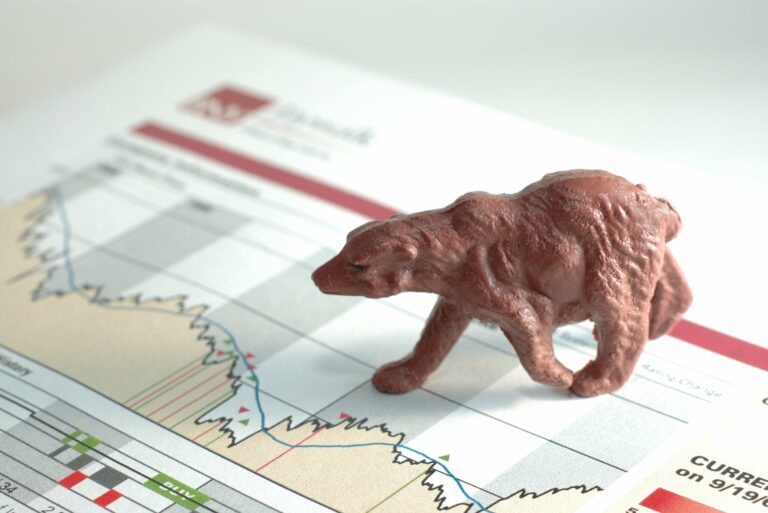
Are you worried about a recession wreaking havoc on your portfolio? If the specter of an upcoming recession spooks you, then forget about high-volatility equities such as penny stocks. Even solid blue chip stocks often take a nosedive during recessions. Instead, start looking into recession-proof — or at least recession-resistant — investments that can reduce risk in your portfolio and emerge from the storm even stronger.